Government backing for a new BioFactory in Rotorua could help create a new biomanufacturing industry, turning low-value and waste materials from New Zealand’s primary industries into higher-value products while attracting investment, creating jobs and keeping more economic value in New Zealand.
Rotorua is a step closer to becoming home to New Zealand’s first BioFactory following the Government’s October 2026 decision to ring-fence $15 million towards a $30 million capital raise for the new biomanufacturing facility.
The funding, announced by Forestry Minister Hon Todd McClay, will be provided via the Ministry for Primary Industries and is conditional on a further $15 million being secured from private investors.
Kaingaroa Tipu has already committed $2 million as the BioFactory’s first private investor. Separate to the capital raise, a further $20 million investment is expected from a property developer.
The facility is expected to be designed in 2027, built in 2028 and operational in 2029.
RotoruaNZ Chief Executive Andrew Wilson says the announcement reflects the opportunity to build more economic value around Rotorua’s existing strengths.
“Government support for the BioFactory is a significant step forward for Rotorua and for New Zealand’s bioeconomy. It recognises the value of building the infrastructure needed to turn more of what we grow into higher-value products here, rather than seeing that value created offshore.”
For RotoruaNZ Head of Strategy & Investment Justin Kimberley, the announcement is significant not only because of the BioFactory itself, but because of the industry and investment that could develop around it.
“The BioFactory could be transformative for Rotorua and for New Zealand more broadly, unlocking the potential of the biomass we grow in this region and further afield. The bigger opportunity is what could come from it.”
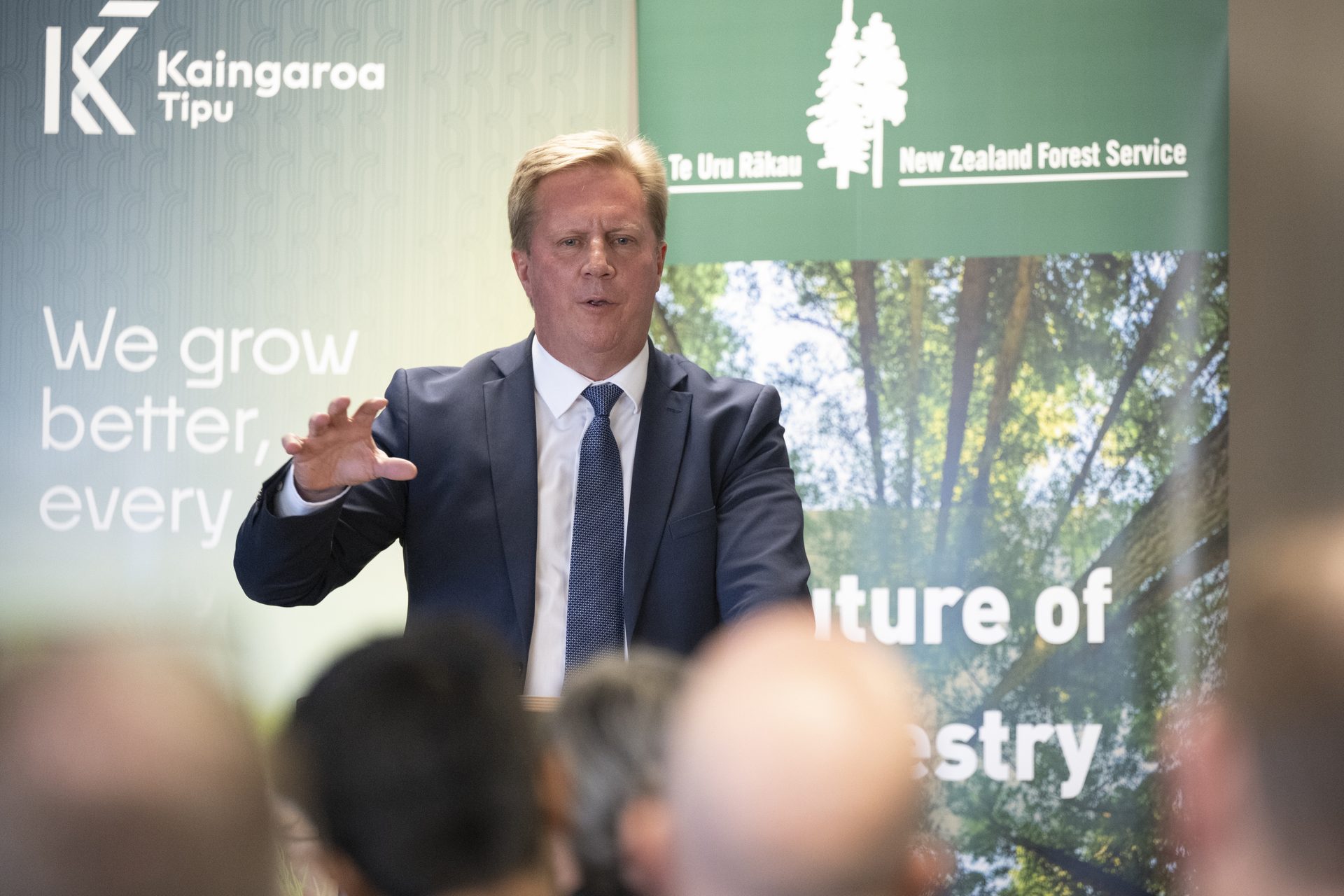
Hon Todd McClay. Photo credit Tracey Scott.
What is the BioFactory?
The BioFactory will be a shared biomanufacturing scale-up facility based in Rotorua, designed to help companies move bio-based products from successful laboratory or pilot-scale development towards commercial production.
It will use low-value or waste by-products from forestry, agriculture, horticulture and marine industries as feedstocks to produce higher-value ingredients for industries including health and nutrition, advanced materials and pharmaceuticals.
BioFactory Chief Executive Claire Stewart says New Zealand already has small pilot plants for testing bio-based products, but they are generally designed around a single process and feedstock and can be too small to prove commercial viability.
“The BioFactory closes that gap with a single, shared site where companies of any size can test and scale their product using real feedstock at volume before committing to build a plant of their own.”
The aim is to give New Zealand businesses access to scale-up capability here rather than requiring them to build expensive infrastructure themselves or take their technology overseas for validation.
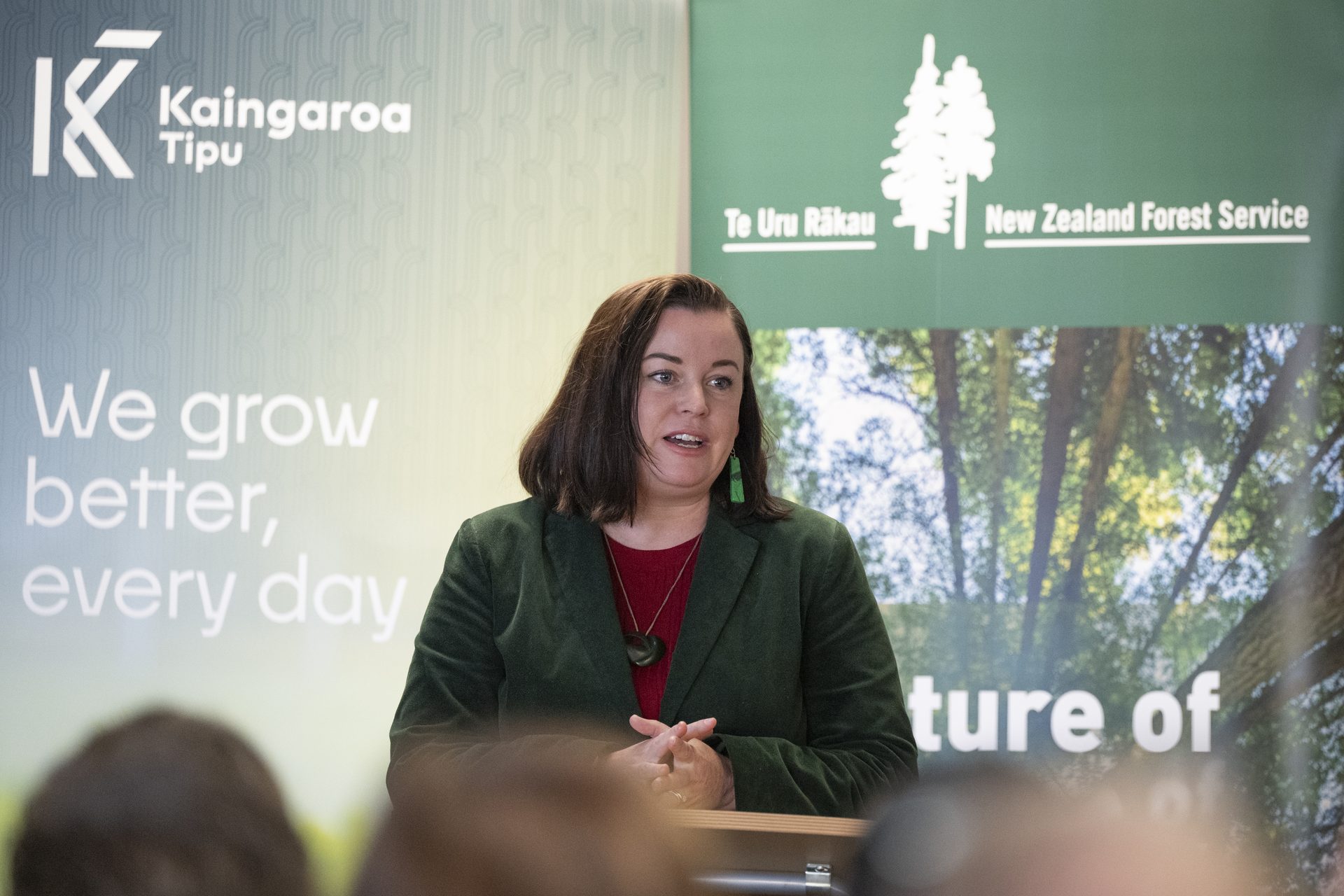 Claire Stewart, BioFactory. Photo credit Tracey Scott.
Why is the BioFactory being established in Rotorua?
Rotorua already has many of the ingredients needed to support a growing bioeconomy, including a significant forestry and primary-sector base, access to biomass, science and technical expertise and an established innovation ecosystem.
The BioFactory concept has been led by the NZ Product Accelerator with close support from the Bioeconomy Science Institute.
Andrew says Rotorua’s existing strengths create an opportunity to attract significantly more investment into the sector.
“Rotorua is open for significant investment in the bioeconomy, whether that comes from Government, private capital or partnerships between the two. We already have the forestry and primary-sector base, science capability, technical expertise and biomass resources. The next step is making sure the infrastructure and investment environment are here to help businesses scale.”
Private-sector involvement is already part of that story. Kaingaroa Tipu manages New Zealand’s largest sustainable harvest forest and has become the first private investor in the BioFactory, committing $2 million. Radiata pine producer Sequal is also supporting the BioFactory.
Kaingaroa Tipu Chief Executive Ryan Cavanagh says the company sees the opportunity to generate greater value from forestry resources.
“We see the BioFactory as the way to unlock whole-of-tree value from wood that is currently sold into lower value markets.”
Andrew says the involvement of businesses such as Kaingaroa Tipu will be critical to translating science and innovation into commercial opportunities.
“It is also encouraging to see private investors stepping up, including Kaingaroa Tipu here in Rotorua. Government investment can help establish the platform, but industry participation is what connects innovation with real feedstock, markets and commercial opportunity.”
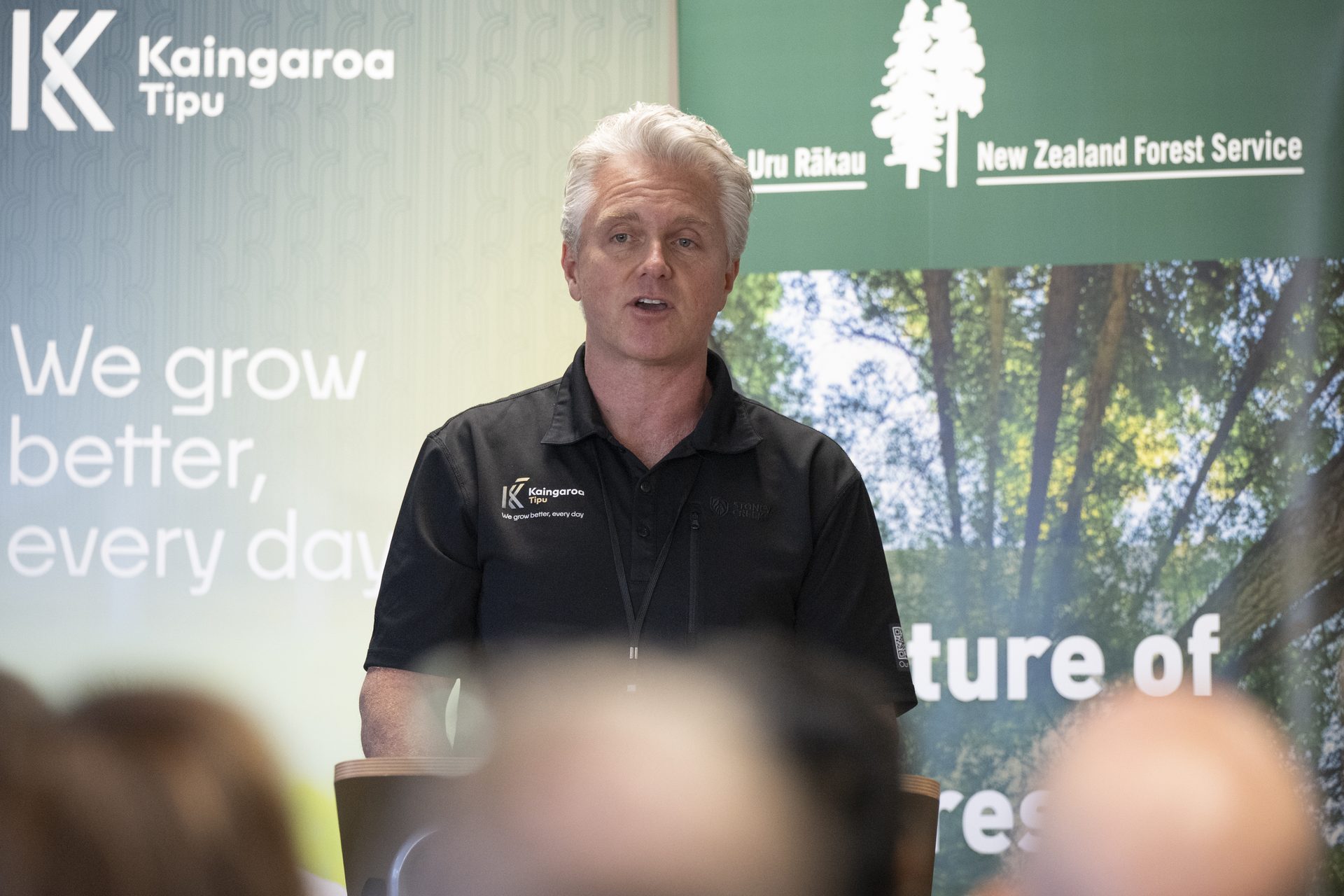 Ryan Cavanagh, Kaingaroa Tipu. Photo credit Tracey Scott.
What could the BioFactory mean for Rotorua’s economy?
The opportunity extends beyond constructing a single facility.
Investment in the BioFactory could provide infrastructure around which new businesses, manufacturing and processing operations and private investment can develop.
As Justin says, “Investment in new manufacturing and processing facilities in New Zealand could bring in more private investment, create jobs and help keep more of the value from our primary resources here in New Zealand.”
Rotorua already has businesses demonstrating how science and biological resources can be transformed into products with commercial potential.
Andrew points to Rotorua companies Cetogenix and Biowave as examples of the opportunity.
“Companies such as Cetogenix and Biowave show that this opportunity is already real. We have businesses and technologies being developed here with international potential. What we need is the capability to pilot, validate and scale those ideas in New Zealand so the IP, expertise and economic value can stay here too.”
For Rotorua, the BioFactory therefore represents more than a new piece of infrastructure. It is an opportunity to build on generations of forestry and primary-sector expertise while developing new industries based on science, technology and higher-value manufacturing.
RotoruaNZ has supported the BioFactory opportunity for a number of years as part of its work to attract investment and grow higher-value industries in the region.
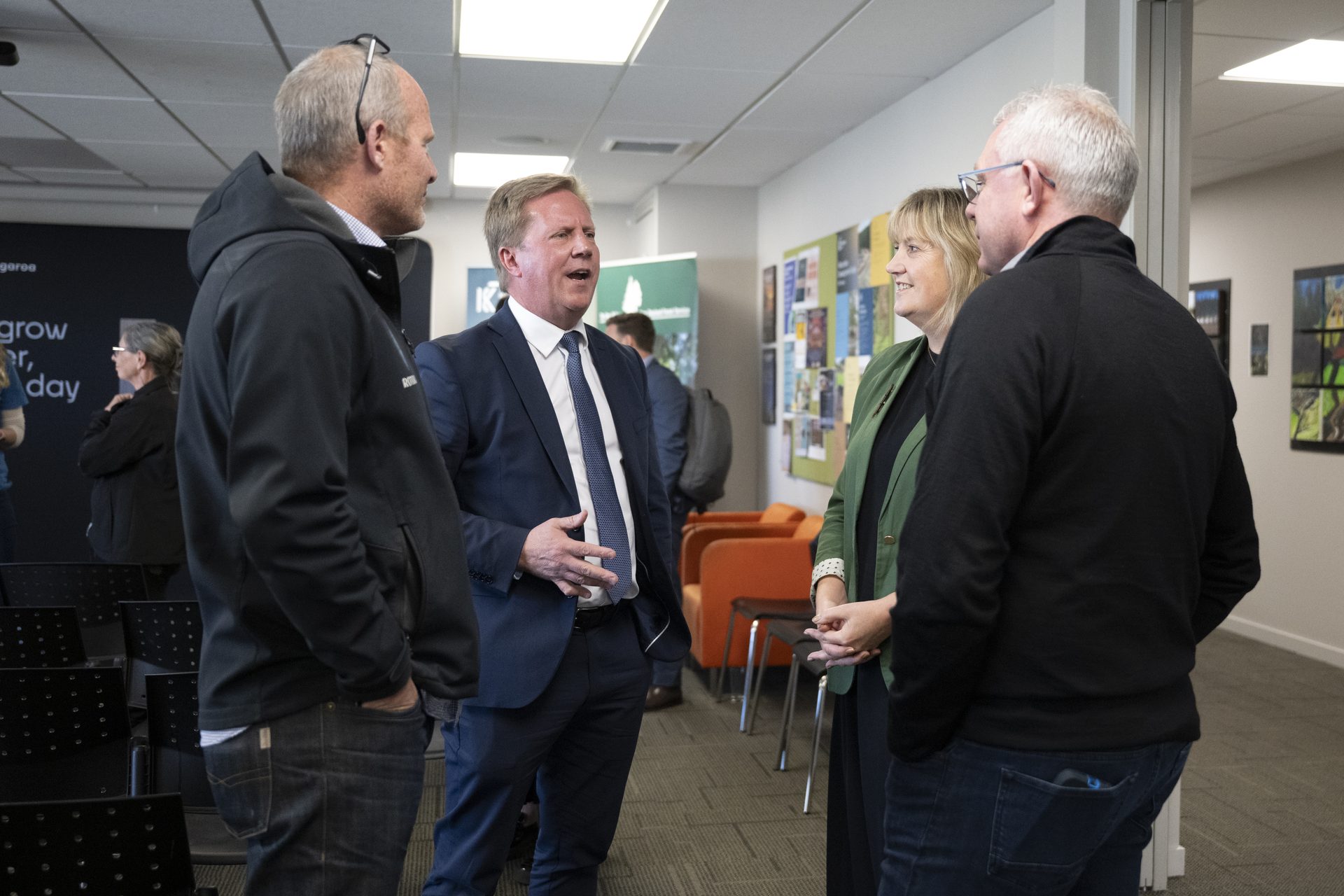
(l to r) Andrew Wilson, Hon Todd McClay, Melanie Short, Paul Ingram. Photo credit Tracey Scott.
What happens next for the BioFactory?
The Government’s $15 million contribution has been ring-fenced for 12 months, giving the BioFactory time to secure the private investment needed to complete the $30 million capital raise.
The Government contribution is conditional on a total of $15 million being secured from private investors. Kaingaroa Tipu has already committed $2 million, with further private investment now required to meet the funding target and move the BioFactory towards establishment.
This next phase will focus on bringing additional investors to the table, alongside progressing plans for the facility ahead of design in 2027, construction in 2028 and operation in 2029.
BioFactory at a glance
- Location: Rotorua, New Zealand
- Purpose: Shared biomanufacturing scale-up infrastructure
- Government support: $15 million ring-fenced towards a $30 million capital raise
- Private investment target: A further $15 million, including $2 million already committed by Kaingaroa Tipu
- Additional property investment: A further $20 million is expected from a property developer
- Feedstocks: Low-value or waste forestry, agriculture, horticulture and marine by-products
- Potential products: High-value ingredients for sectors including health and nutrition, advanced materials and pharmaceuticals
- Expected timeline: Design in 2027, construction in 2028 and operation in 2029
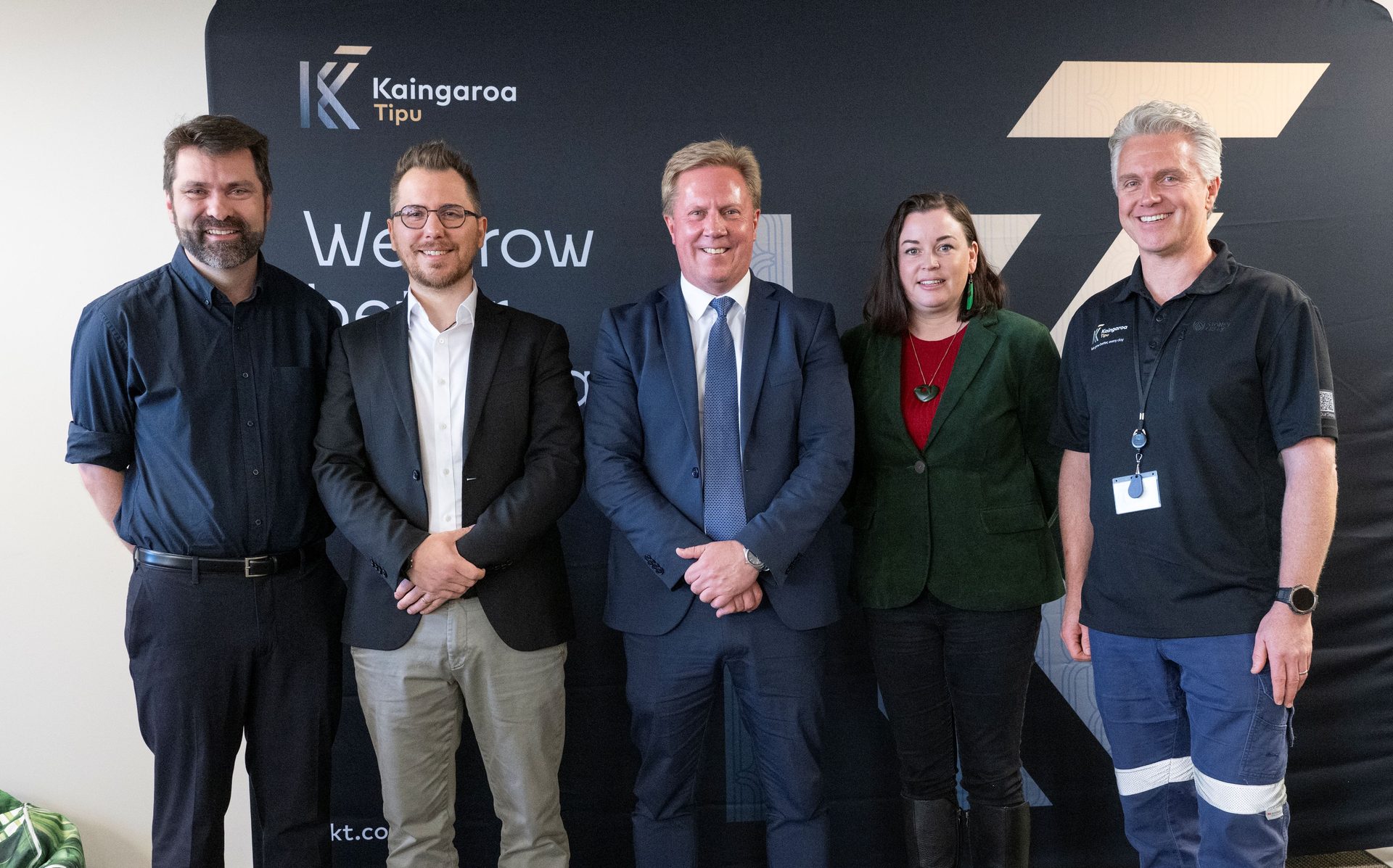
Top image: (l to r) Dr Alec Foster, Andrea Stocchero, Hon Todd McClay, Claire Stewart, Ryan Cavanagh. Photo credit Tracey Scott.