Lake Rotorua
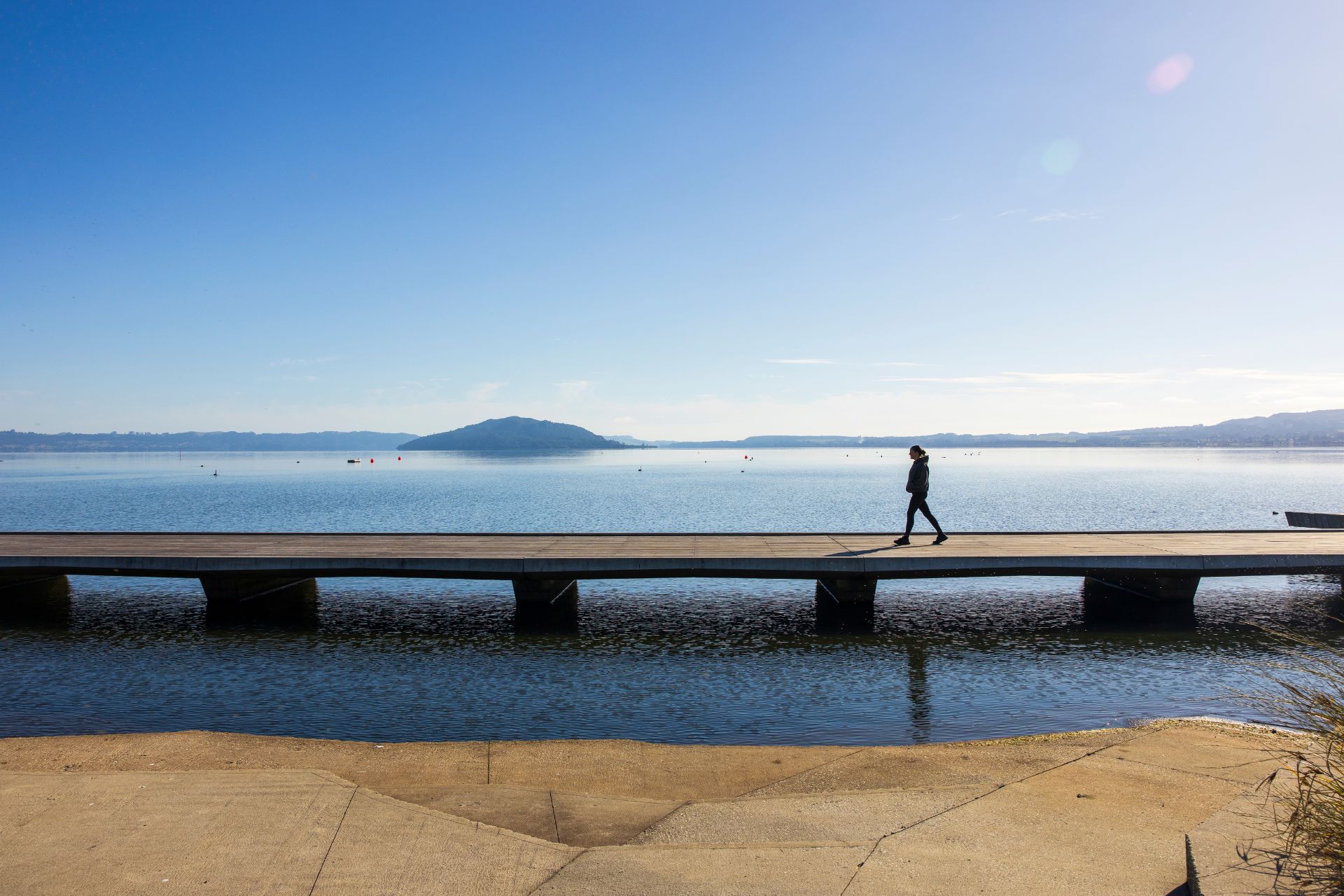
The largest of our region’s many lakes, Rotorua is a volcanic caldera, formed from the crater of a large volcano. Discover Lake Rotorua, the cultural and natural heart of Rotorua. From world-class trout fishing and scenic lakefront walks to Māori heritage sites, native wildlife, and iconic Mokoia Island, the lake offers unforgettable experiences both on and off the water.
Rotorua city, located along the southern shore, was named after the lake, shortened from its full name, Te Rotorua nui ā Kahumatamomoe. This name was given by the explorer Ihenga, a grandson of the captain of Te Arawa canoe Tamatekapua.
Lake Rotorua is shallow and the most productive trout fishery in New Zealand, with both rainbow and brown trout in large numbers making it extremely popular for fishing.
Rotorua Lakefront
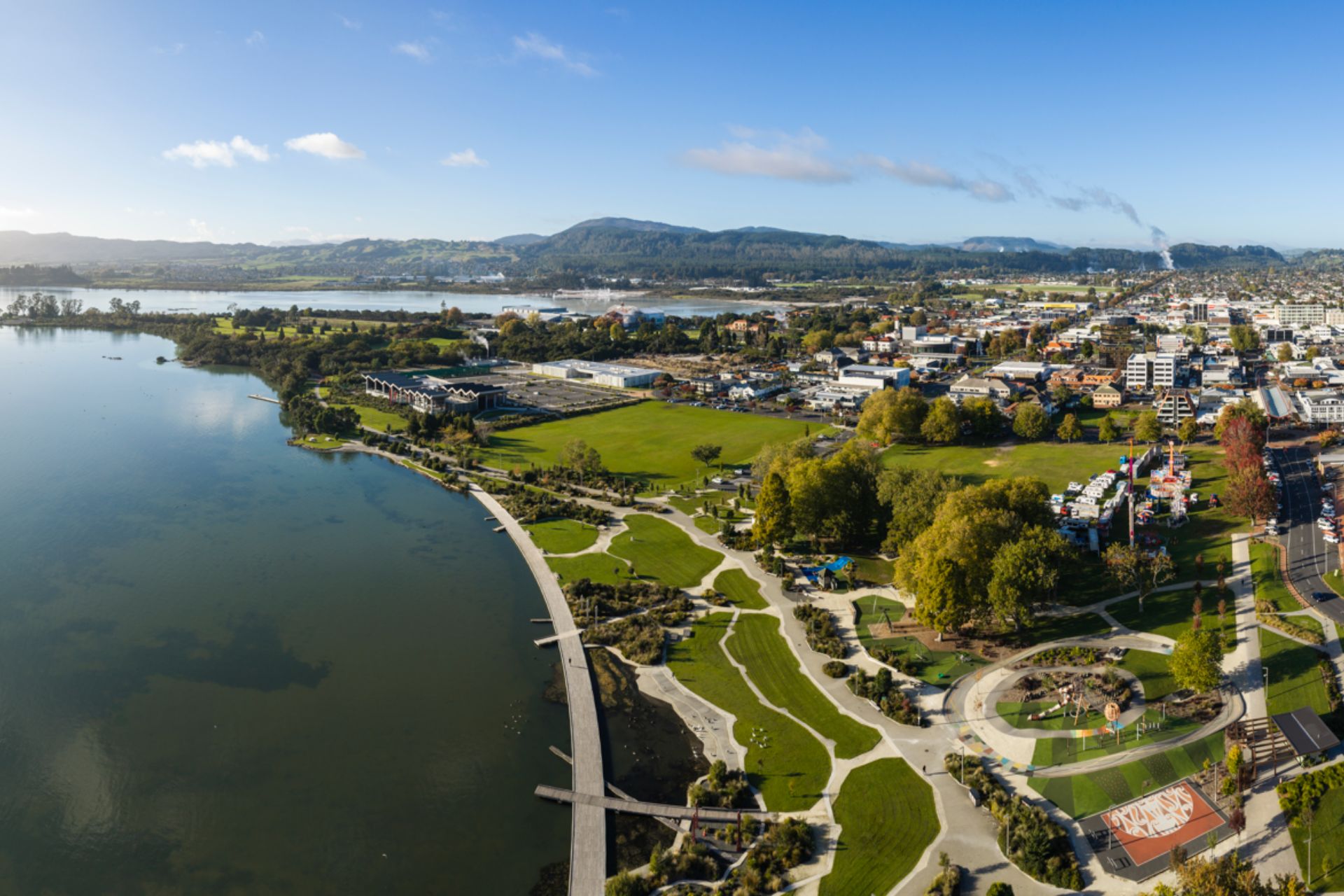
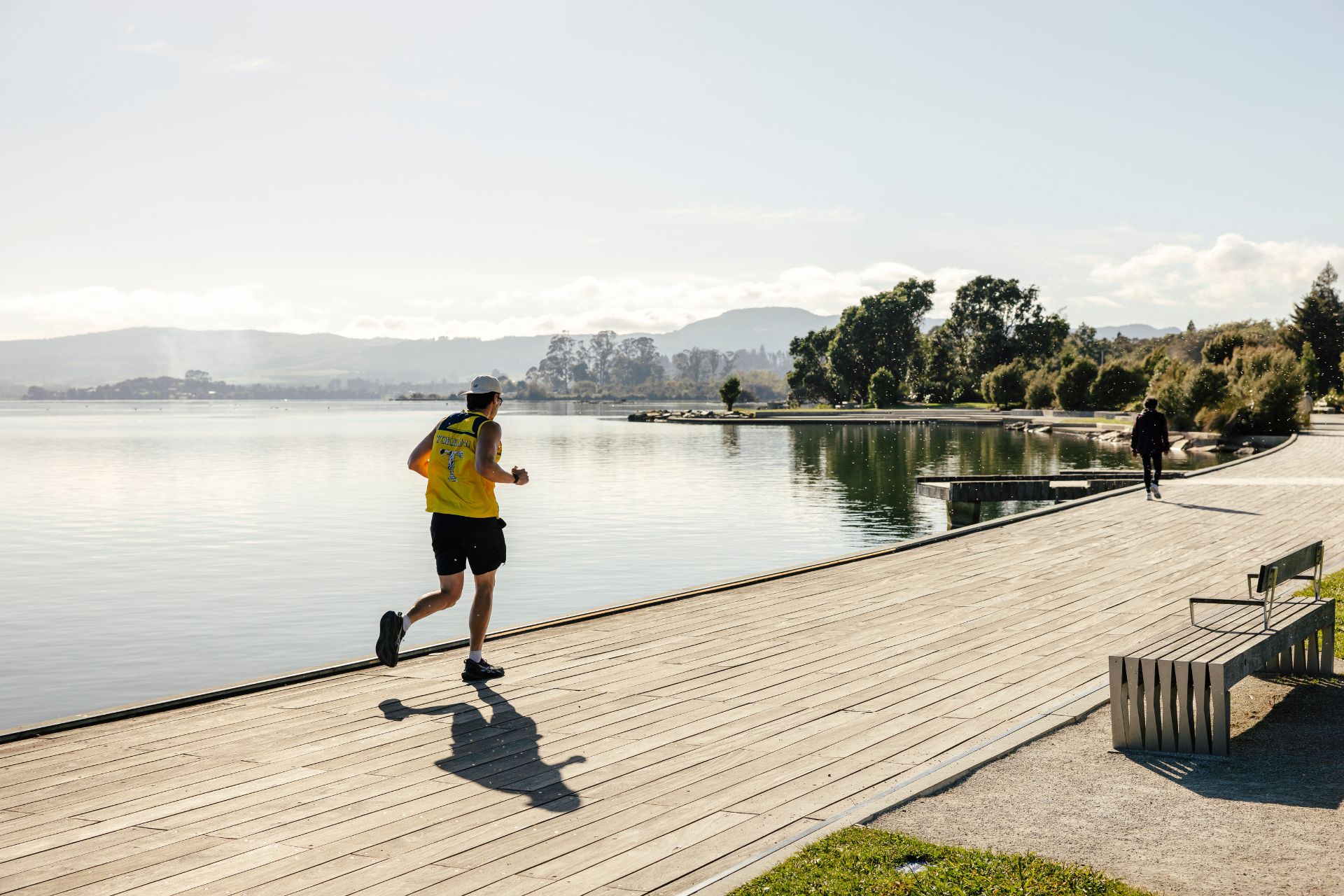
The Rotorua Lakefront is a central hub for locals and visitors to enjoy, and home to a number of lake-based tourism activities.
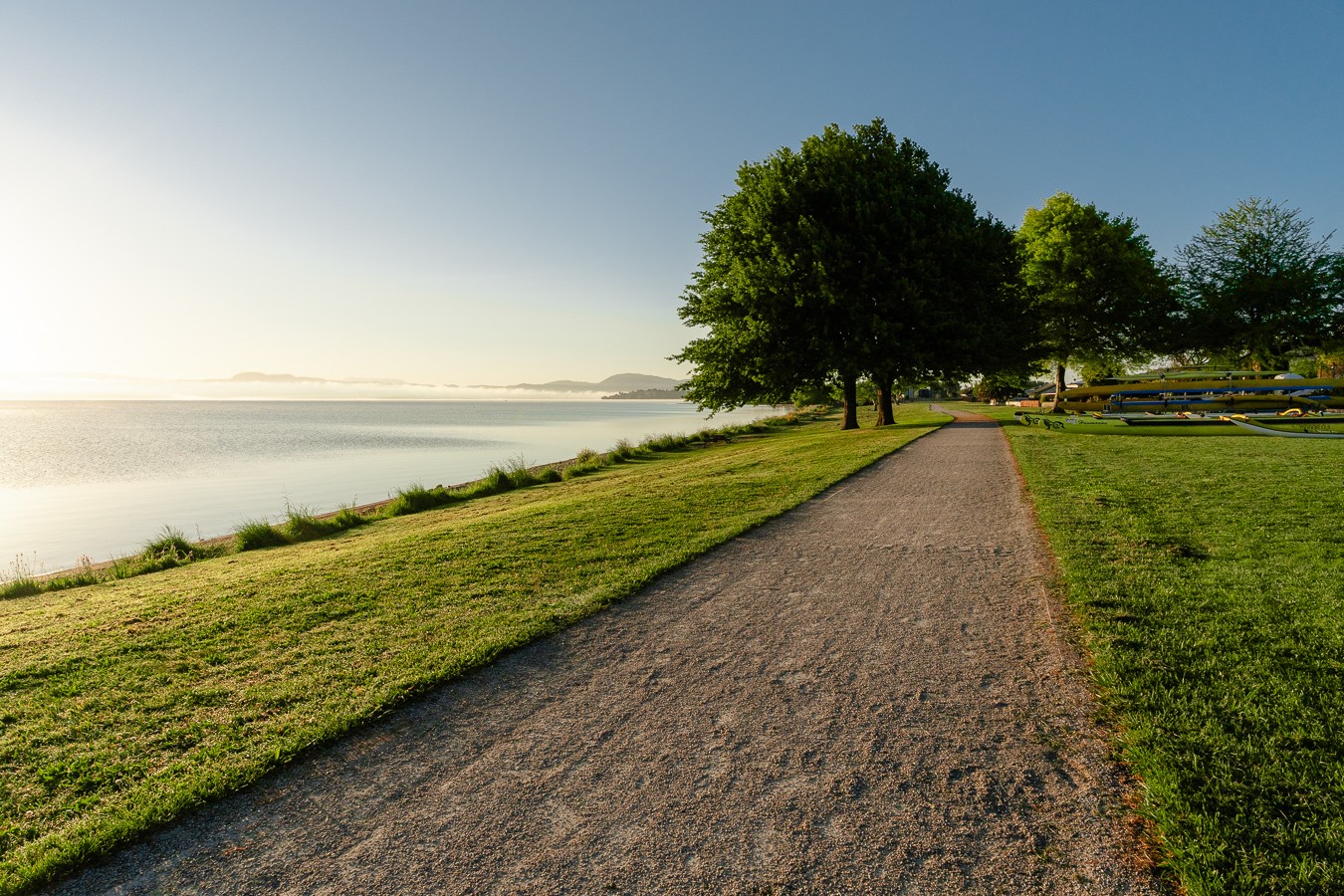
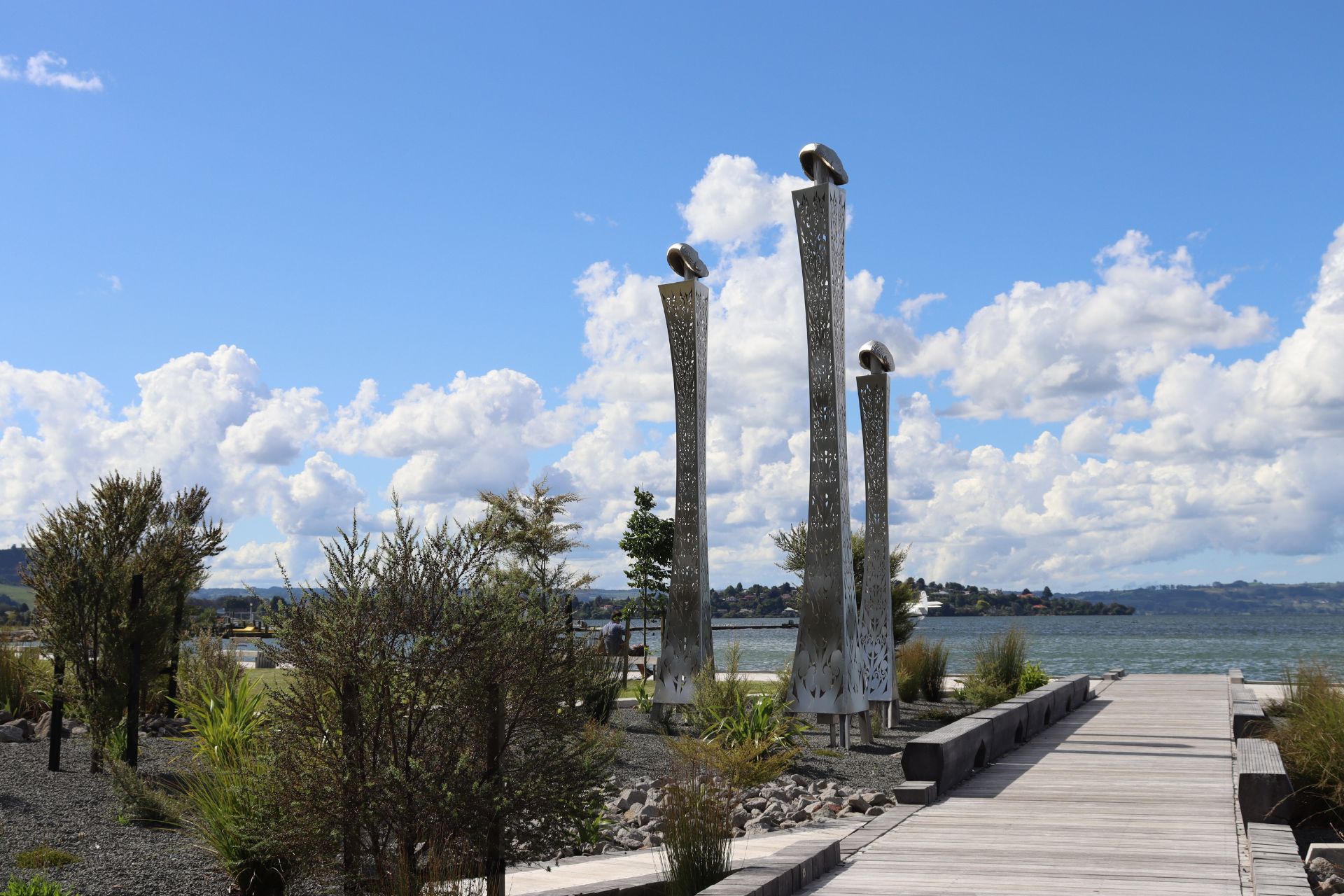
The area has undergone significant redevelopment, and the new boardwalk features a large playground, a pump track, basketball hoops, picnic tables and food vendors. Wide pathways stretch alongside the shore and projecting into the lake. They're perfect for enjoying the waterfront by foot or bike. Be sure to look at the Whare Waka for the Te Arawa Waka Taua.
Ōhinemutu
On the shore of the lake, Ōhinemutu was a Māori settlement before the city was established, chosen for the abundant geothermal energy for cooking, bathing and heating. While still a residential area, visitors are welcome to wander through this special place. Please respect the residents' properties and privacy, and heed all signage.
Sulphur Bay Wildlife Refuge
Sulphur Bay Wildlife Refuge on the south-eastern shore of Lake Rotorua is home to an array of bird species thriving in the active geothermal environment. The water in this area is a milky colour due to sulphur suspensions in the water. You can walk or ride through Sulphur Bay however because this area is home to endangered native plant and birdlife, dogs are not permitted.
Mokoia Island
Mokoia Island, a rhyolite dome, sits at the centre of the lake. Best known for the famous love story of Hinemoa and Tutanekai, the island has strong cultural and historical significance, and is now a wildlife sanctuary for native birds and regenerating native plant life.