Rotorua is a place where culture, creativity and storytelling are woven into everyday life. Shaped by the traditions of Te Arawa, the region offers visitors the opportunity to connect with local culture, discover historical and contemporary artworks and experience the stories that make Rotorua unique.
Experience authentic Māori culture in Rotorua
Rotorua is unique and one of the best places in Aotearoa New Zealand to experience Māori culture authentically. The people of Te Arawa iwi have shaped the Rotorua region through their traditions, beliefs and deep connection to the land. They have been sharing their culture and hosting manuhiri (visitors) for many years. Rotorua provides the opportunity to engage with this living culture in meaningful and memorable ways.
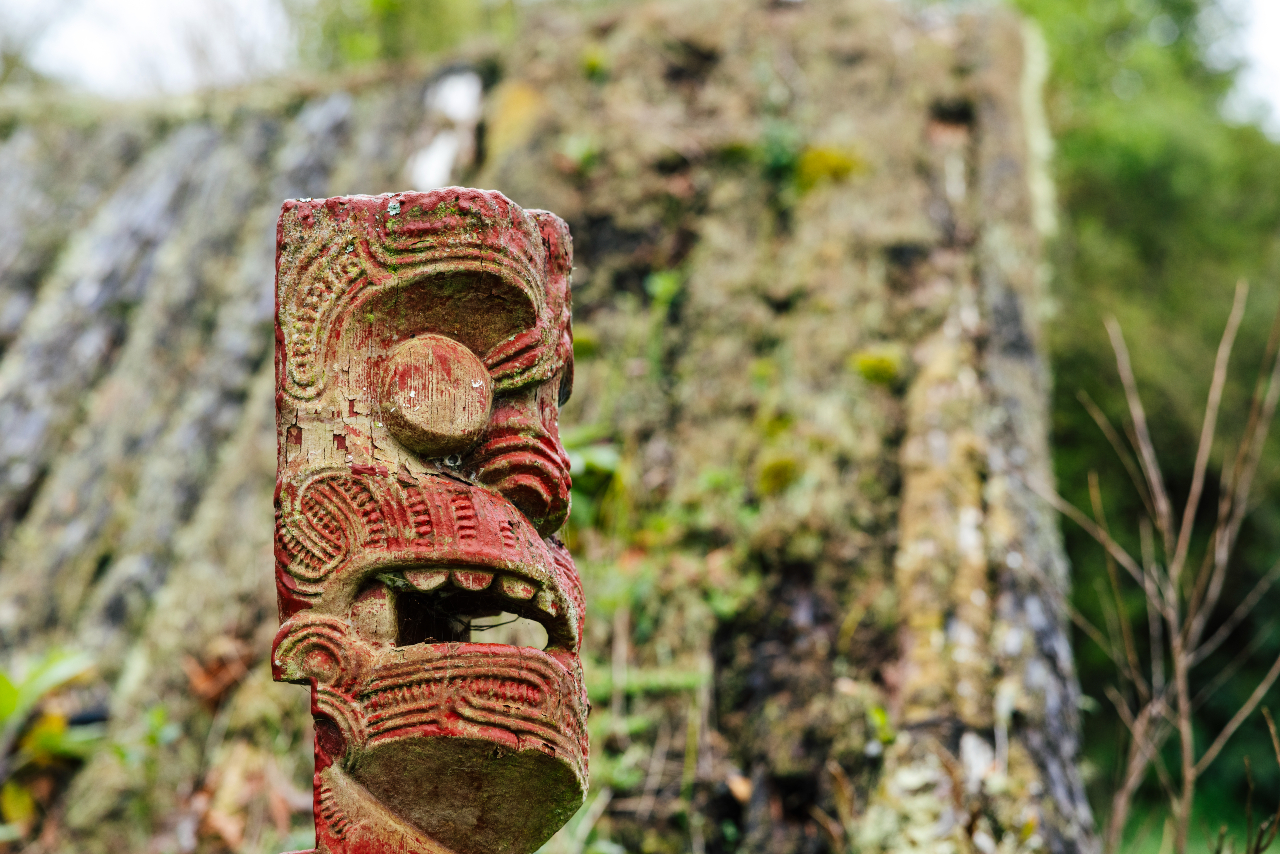
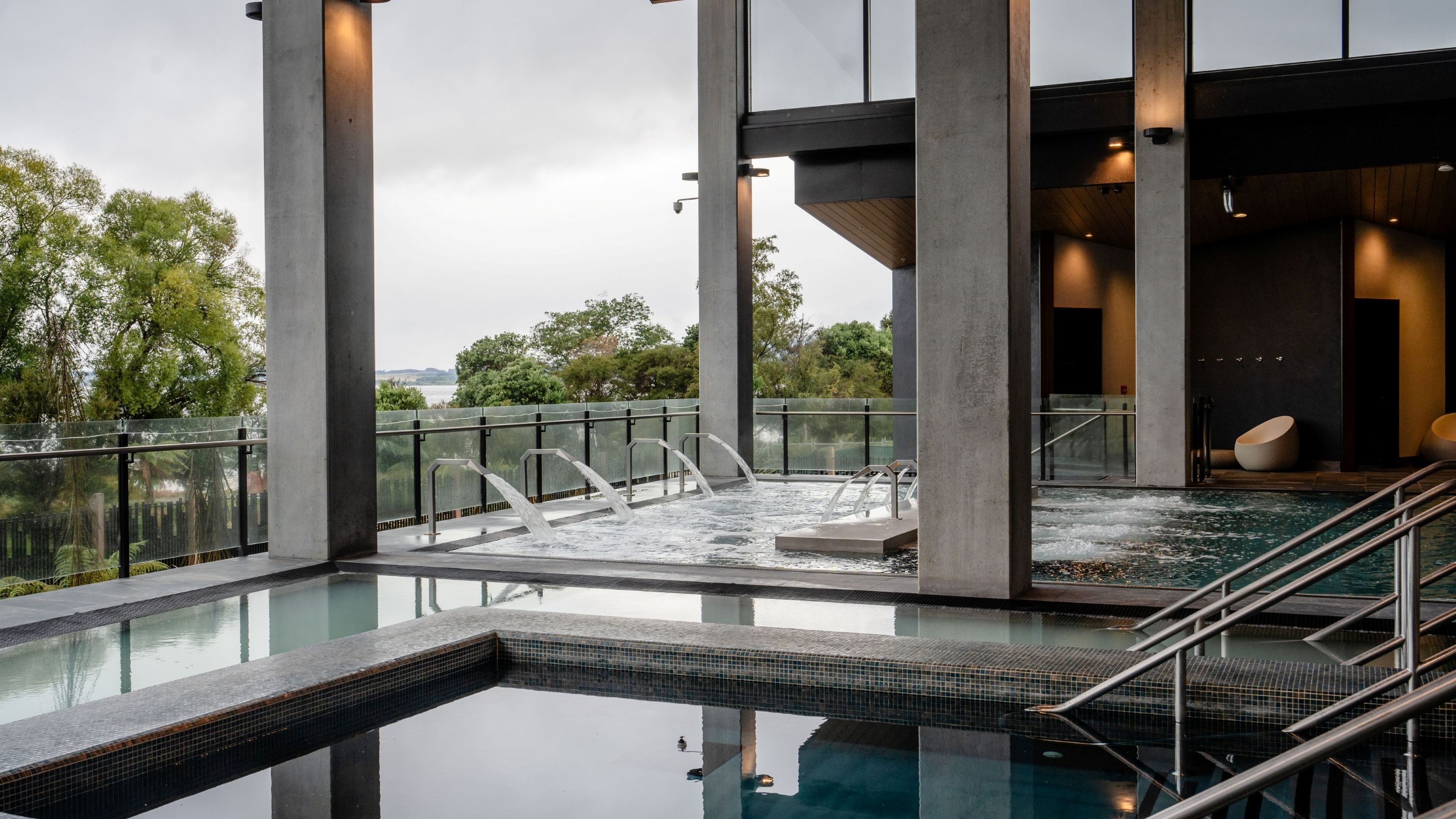
Visitors to Rotorua can choose from a range of immersive cultural experiences. The Buried Village of Te Wairoa, where tourism in Aotearoa began, is New Zealand’s most visited archaeological site and tells the story of the Tarawera eruption, and the resilience of local communities. Whakarewarewa Living Māori Village offers insight into daily life, geothermal cooking, and cultural traditions. At Te Puia, visitors can explore geothermal wonders while witnessing traditional Māori carving and weaving. Te Pā Tū delivers an immersive cultural evening featuring ceremony, performance, and hāngī cuisine, while Wai Ariki Hot Springs and Spa blends geothermal wellness with Māori healing practices. At Hell’s Gate, their carvers will guide you through creating a piece of your own.
Rotorua’s art scene weaves cultural stories with artistic traditions
Art and culture are woven into the fabric of Rotorua, where creativity and storytelling come together. One of the region’s most treasured artistic traditions is the carving of pounamu (New Zealand jade), a stone highly valued by Māori for its beauty, strength, and cultural significance. At the carving studios of Mountain Jade and Puawai Jade, skilled Māori carvers transform raw pounamu into pieces that reflect Māori traditions, values, and connections to the natural world. Watching artists at work offers an insight into the precision, patience, and passion behind each handcrafted creation.
Throughout the city sculptures, carvings, murals, and artistic landmarks that tell the stories of the people, history, and environment that make Rotorua unique.
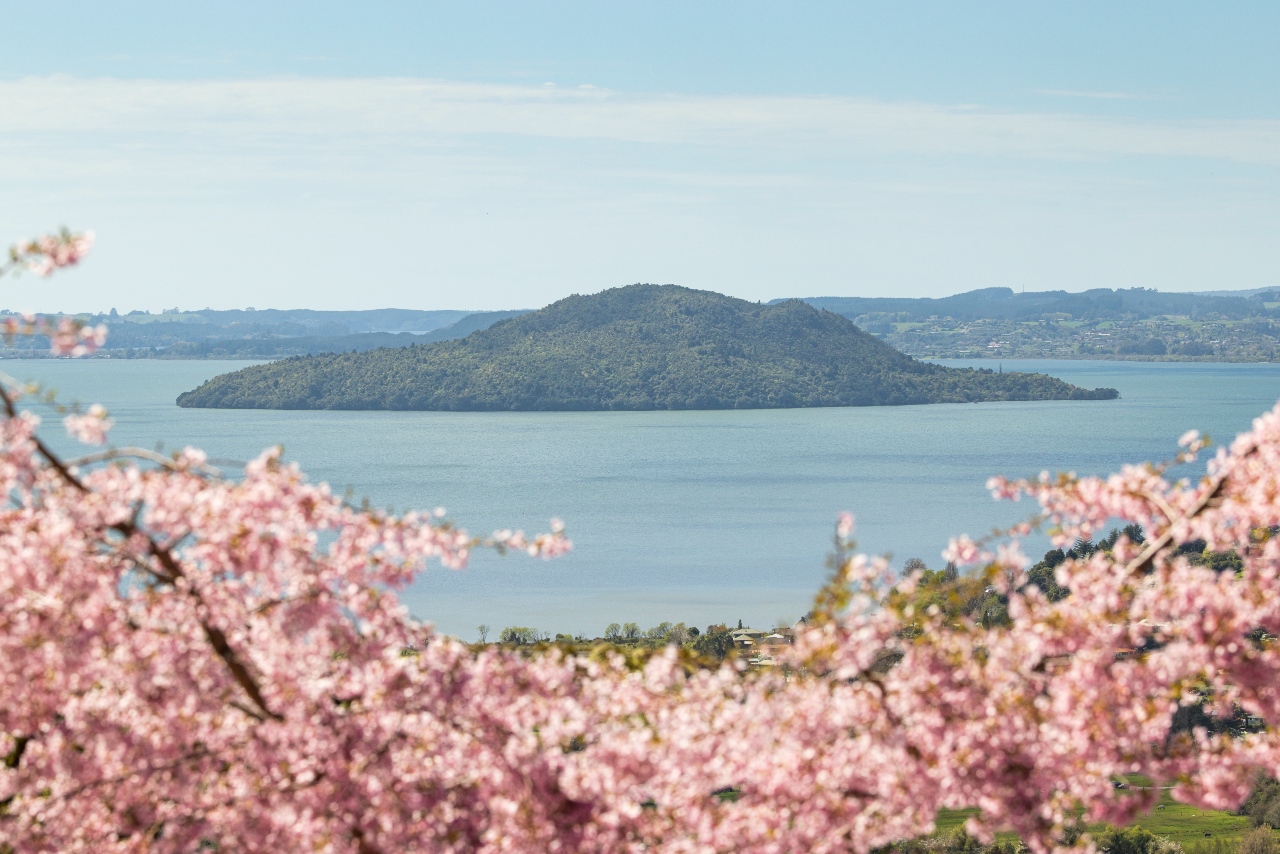
At Ōhinemutu Village, St Faith’s Church reflects classic Tudor architecture. However, step inside and you’ll discover a powerful Māori presence, with carved pou, woven tukutuku panels telling of stories of people and place. A highlight for many visitors is the stunning sand-blasted window depicting Jesus wearing a Māori cloak and appearing to walk on Lake Rotorua, viewed beyond the glass.
At Lake Tarawera, buried beneath ash following the 1886 Mount Tarawera eruption, waka (canoe) motifs are painted in red ochre onto the rock. Hidden until excavation in 1962, the artwork captures a fleet of waka crossing the lake and stands as a powerful reminder of the stories, history and traditions that continue to shape the Tarawera landscape.
One of Rotorua’s largest and most recognisable public artworks is Te Ahi Tupua (The Eternal Fire), located at the southern entrance to the city. Twelve metres high, this striking contemporary sculpture was inspired by the stories of Ngātoroirangi, geothermal energy, kaitiakitanga (guardianship), and manaakitanga (hospitality) and draws on the shape and power of Pōhutu Geyser, at nearby Te Puia.
From pounamu carving and historic landmarks to contemporary public art Rotorua offers unique opportunities to connect with the people, history and landscapes that shape the region. Together, these experiences create a rich and memorable cultural journey unlike anywhere else in Aotearoa New Zealand.